

Current Students
News and updates featuring research, faculty achievements, student projects, and industry impact about Current Students.

Texas A&M University students addressed hunger and sustainability issues with creative and actionable methods at Invent for the Planet 2026.

What’s in your salad? Crops exposed to nanoplastics may boost heavy metal intake
March 5, 2026 • 4 min. readResearchers are uncovering how nanoplastics and heavy metals interact in a controlled hydroponic model, revealing new insights to food safety.

Texas A&M University civil and environmental engineering researcher secures NASA fellowship to study Amazon River water loss from evaporation.

Using the Rapid Prototyping Studio, the Texas A&M University Robotics Teams and Leadership Experience (TURTLE) Lab designed and built an electromechanical project that uses mechanical design in linkages to mimic biological locomotion.
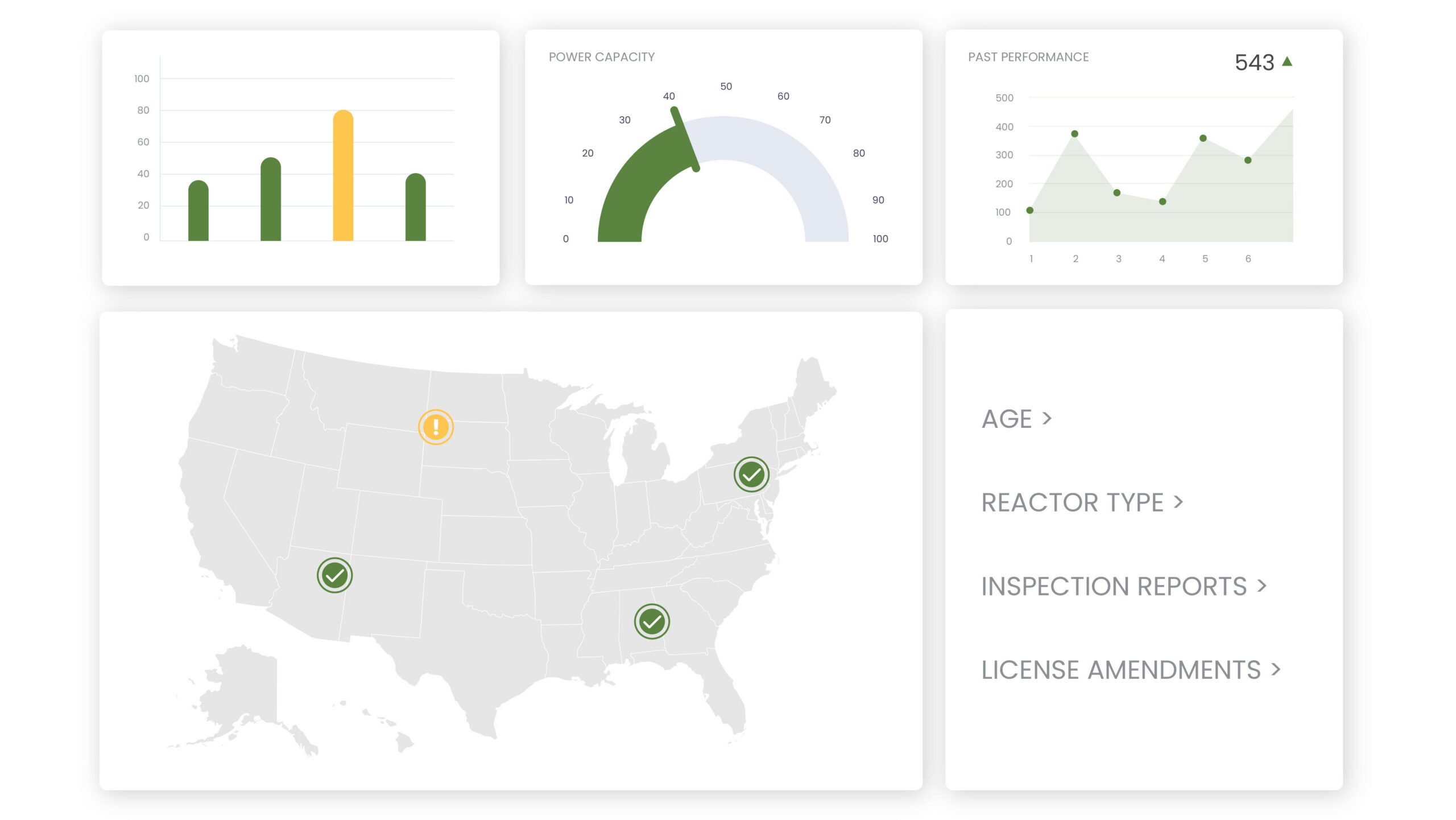
Nuclear engineering Ph.D. student Dan Watson built an online tool that gathers public data into an interactive dashboard that visualizes nuclear power plants across the United States.

Student leader strengthens global connections in ceramics
Feb. 24, 2026 • 5 min. readA Texas A&M materials science student is helping shape the future of the ceramics profession by expanding global engagement, supporting student leadership and advancing accessibility within the American Ceramic Society.

Inside Aggie volleyball’s historic season: A student’s impact
Feb. 20, 2026 • 4 min. readApplying skills from Texas A&M’s data engineering program, John Mutammara built tools and strategies that helped the volleyball team achieve a record-breaking season and its first national championship.

Researchers at Texas A&M are testing smart catheter sensors for early diagnosis and treatment of UTIs to lower the risk of patient complications.
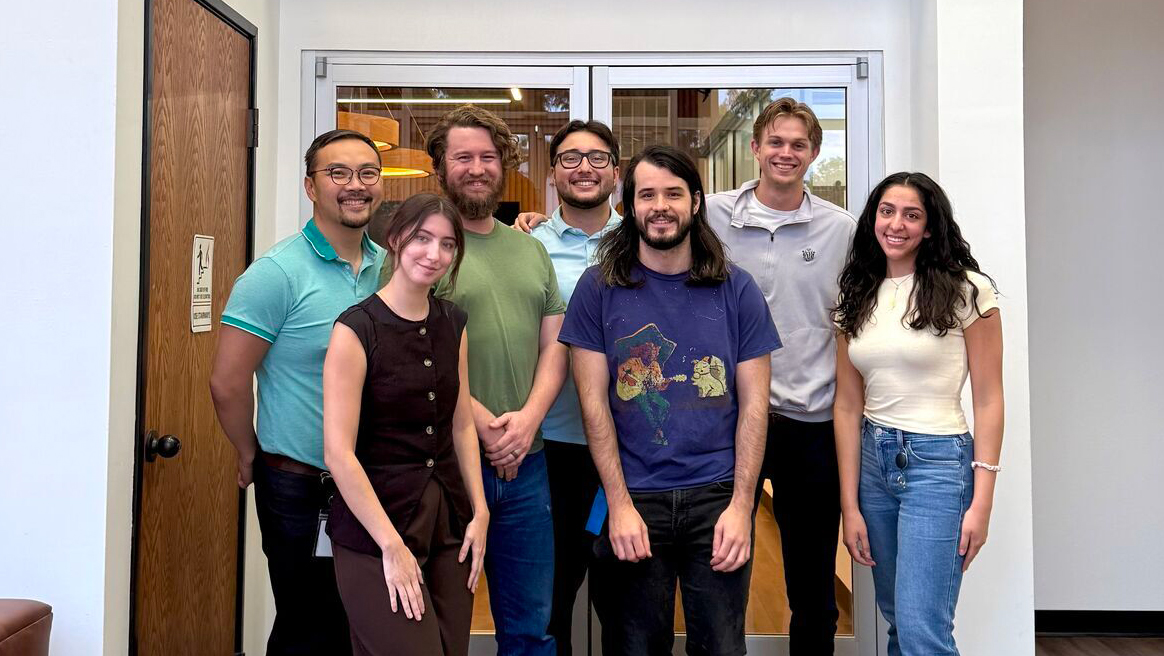
Meloy Program summer internships offer start-up experience
Feb. 18, 2026 • 4 min. readSami Melhem and Archit Sonawane in Texas A&M’s College of Engineering completed summer internships as members of the Meloy Program’s first internship cohort.

A nuclear engineering doctoral student at Texas A&M is building physics-informed, AI-powered frameworks to help automate information gathering and streamline workflows for nuclear research.