

Biomedical Engineering
News and updates featuring research, faculty achievements, student projects, and industry impact from the Department of Biomedical Engineering.

Texas A&M Engineering remains top 10 in public graduate programs
April 7, 2026 • 2 min. readThe college’s graduate program ranks No. 8 among public graduate engineering programs and No. 14 overall in the 2026 U.S. News and World Report rankings.

Texas A&M’s biomedical engineering department’s scaffolded, inquiry-based biomimicry course inspires students to design solutions by learning from nature.

Biodesign course offers hands-on medical device experience
April 4, 2026 • 5 min. readThe two-part biodesign class prepares Texas A&M students for the medical device industry by tasking them with real problems for real people.

Engineering faculty named University Distinguished Professors
March 20, 2026 • 5 min. readDrs. Vanderlei Bagnato, Enrique Lavernia and Julie Schoenung in the College of Engineering were among eight faculty recognized for their contributions to cutting-edge fields.

Dr. Hatice Ceylan Koydemir of Texas A&M leads an international team developing an at-home device that could allow pregnant women to quickly screen for preeclampsia.

Texas A&M biomedical engineers developed new models and imaging to learn more about colorectal cancer’s spread to the liver and how to treat it.

Researchers at Texas A&M are testing smart catheter sensors for early diagnosis and treatment of UTIs to lower the risk of patient complications.

Researchers are developing emergency injectable bandages that could decrease bleeding time by as much as 70% and revolutionize the future of trauma care.

Dr. Vanderlei Bagnato is fighting the rising number of antibacterial resistant diseases by developing new therapies that use light instead of drugs.
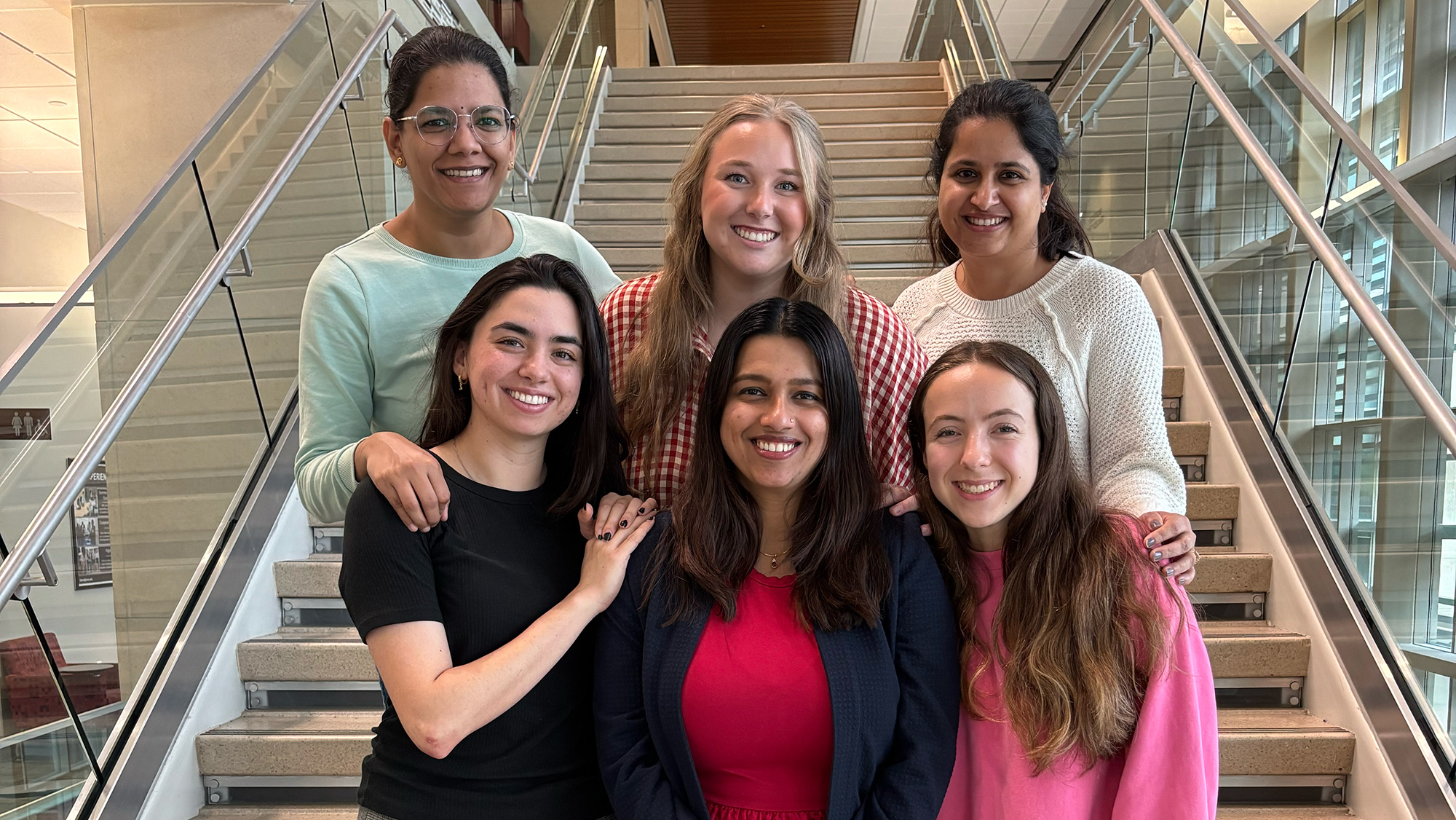
Dr. Shreya Raghavan is pursuing new foundational knowledge of the human uterus and the diseases that affect it with the help of an illustrious CAREER award from the National Science Foundation.